
01
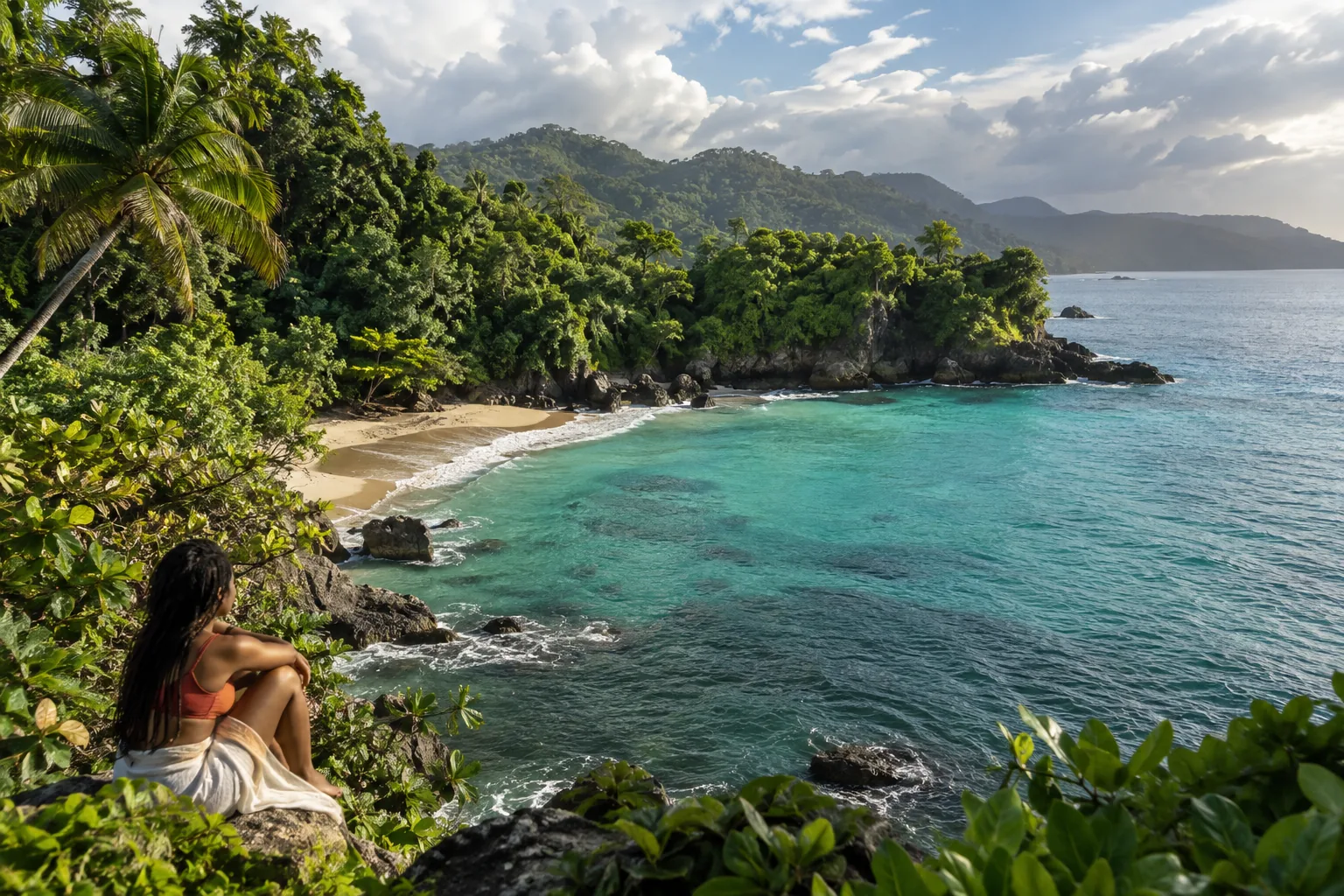
Begin where the green meets the water.
The first thing to notice is how little distance there can seem to be between the sea and the green. Along parts of Jamaica’s northeastern coast, vegetation presses toward the water, interrupted by a small beach, a headland, or the mouth of a river. It is a different picture from the long, open strand that often stands in for the whole island. Both belong to Jamaica. Neither tells the whole story.
Port Antonio and the surrounding Portland landscape offer a useful starting point for understanding that variety. Here, rivers and forest are part of the attraction, and the Blue Mountains provide a larger frame. The Jamaica Tourist Board points visitors toward the Rio Grande, Reach Falls, and beaches including Frenchman’s Cove. These are distinct places with different experiences, rather than interchangeable stops on a scenic drive.
For a traveler, the invitation is to pay attention to the setting before deciding what to do in it. Watch how the light changes under cloud. Notice whether the appeal is a swimming afternoon, a river journey, or simply staying somewhere with a view you would like to wake up to twice.
02
The mountains carry more than a view.
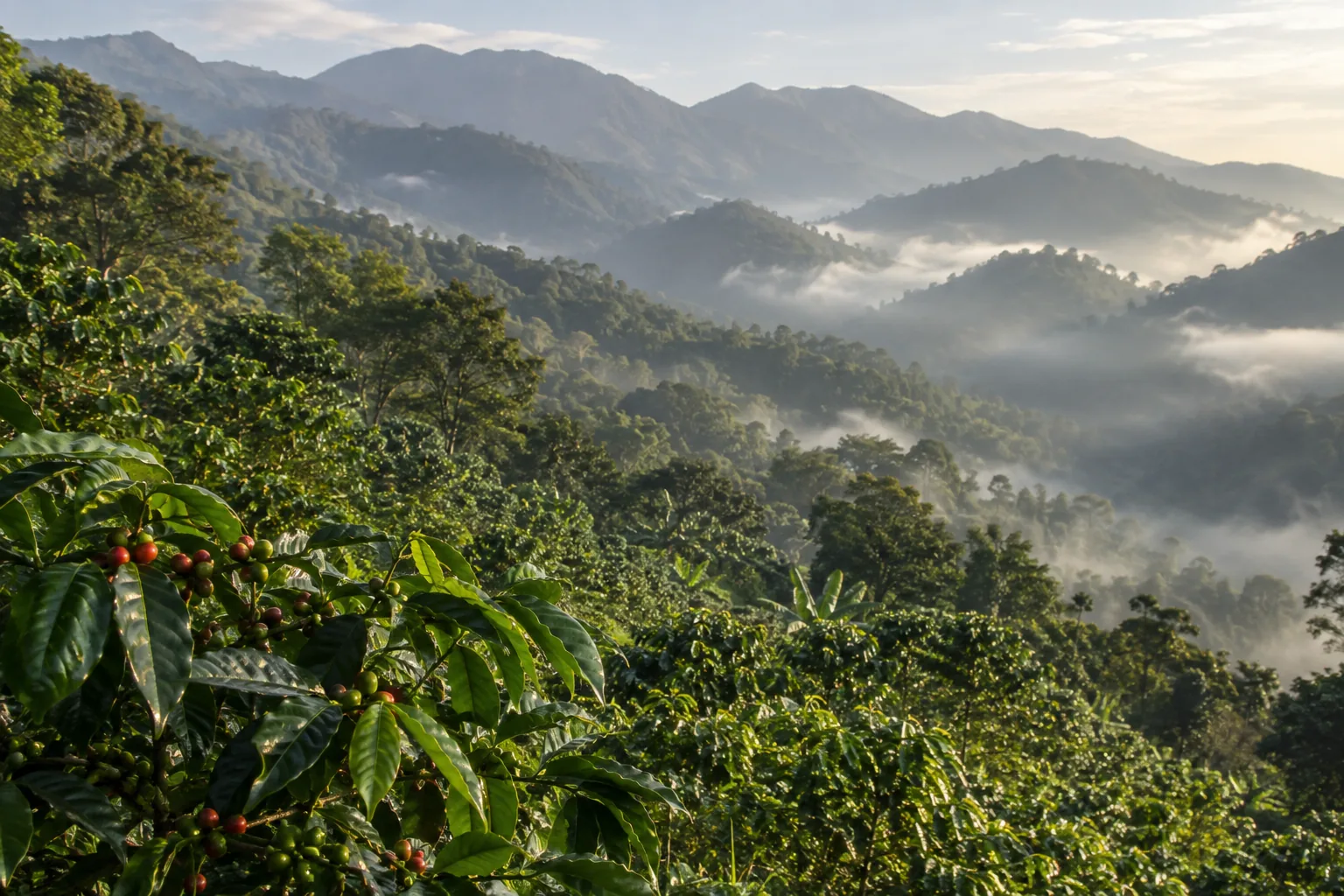
Move inland in your imagination and the story changes again. The Blue and John Crow Mountains are a UNESCO World Heritage site recognized for both natural and cultural significance. Their forests provided refuge for people escaping enslavement, including Maroon communities whose history is deeply connected to this landscape. The mountains are not merely a beautiful backdrop to the coast.
That knowledge changes the way a visit can feel. A forest trail can also be a way into questions about resistance, survival, and the relationship between people and difficult terrain. A local guide can help distinguish what is visible from what needs explanation. The value of that conversation is different from reaching a lookout, taking a photograph, and moving on.
You do not need to become a historian before traveling. It helps, however, to arrive with the understanding that a landscape can hold meanings beyond the visitor’s experience of it. Ask who has lived here, how a route was used, and what a community wants guests to understand. Those questions allow the place to remain the subject of the visit.
03
Kingston gives the island a different voice.
Jamaica’s capital brings music, art, and urban life into the journey. The Bob Marley Museum and Jamaica Music Museum offer different ways to approach the island’s musical history. The National Gallery of Jamaica adds another important perspective through visual art. A day organized around those interests has a different purpose from a day organized around the beach.
The distinction matters because music can become background in the way a destination is sold. In Kingston, it can become the reason to stop, listen, and learn. A museum visit gives context to sounds you may already recognize. Looking at art asks you to consider how a place represents itself, rather than relying entirely on how it is presented to visitors.
Think of a cultural visit as something that deserves its own time. A rushed stop between distant activities rarely leaves much room for curiosity. Choose a subject that interests you, check the current visiting arrangements, and give yourself permission to spend longer with one exhibition or conversation than with an ambitious list of sights.
Leave room for a place to become more than the reason you booked it.
04
Listen for the history inside the music.
UNESCO added reggae music of Jamaica to its Representative List of the Intangible Cultural Heritage of Humanity in 2018. Its account describes a form shaped by several musical influences and rooted in communities, including those of western Kingston. Reggae’s significance extends beyond a recognizable sound to social commentary, expression, and shared cultural life.
That is a richer starting point than treating the music as a soundtrack selected for visitors. Spend time with an explanation of the lyrics, the musicians, or the setting in which a recording emerged. Even a short introduction can change what you hear afterward. A familiar song may carry a history you had never paused to consider.
05
At the table, slow down enough to taste.
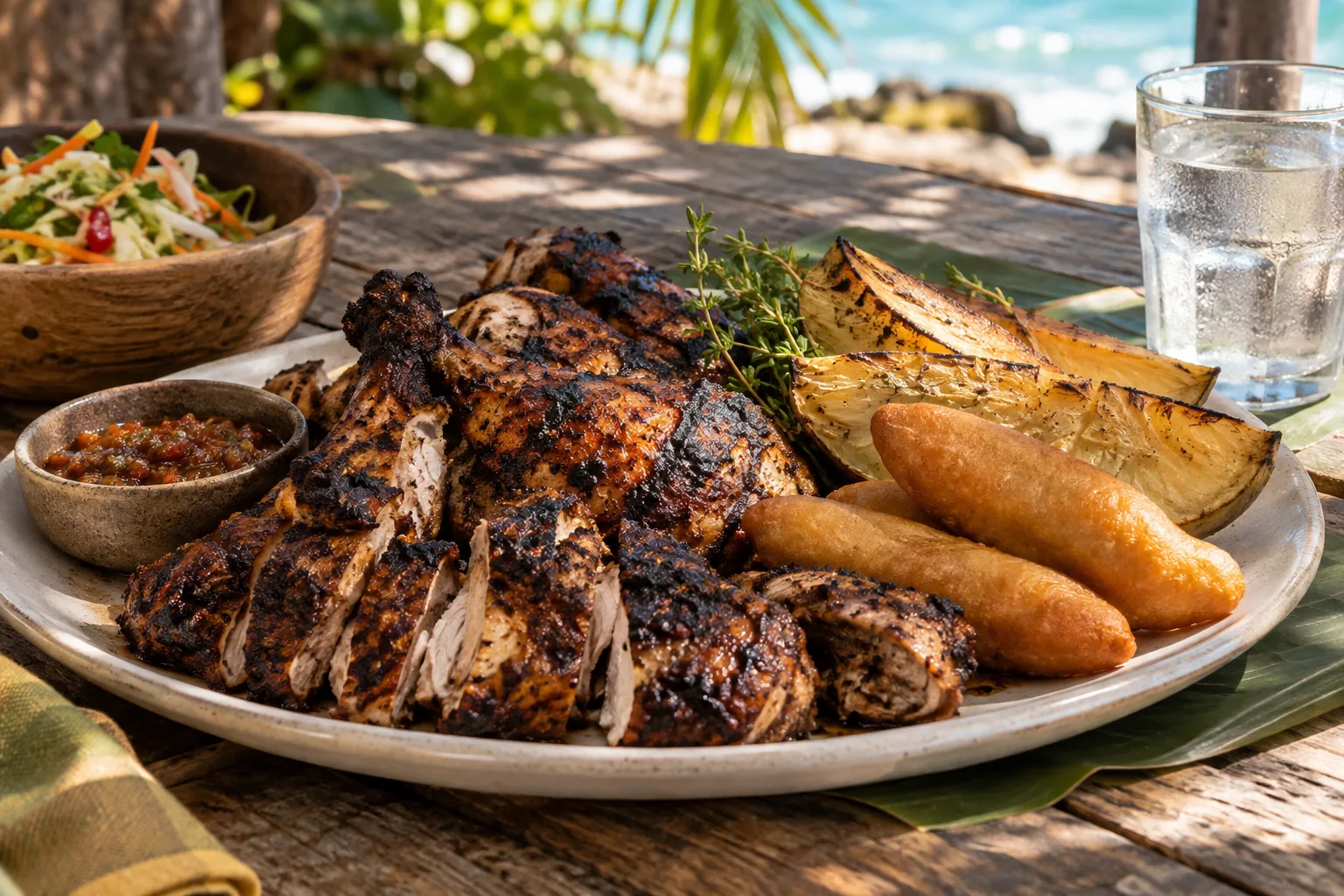
Jerk is one of Jamaica’s most recognizable food traditions. Smoke, seasoning, and heat contribute to its character, and the island’s tourism board highlights the role of pimento wood and the range of meats, seafood, and vegetarian dishes prepared with jerk seasoning. It is a useful reminder that a familiar word on a menu can describe much more than one standard plate.
A meal also offers a simple way to become a more attentive guest. Ask what is being served and how it is usually eaten. Let the person preparing it explain the sides instead of treating them as decoration. If you have dietary needs, discuss them clearly before ordering. Curiosity works best when it is paired with practical communication.
It is tempting to turn food into another competition to find the single best place. A more rewarding question is what you want to understand or enjoy at that particular meal. The answer may be a cooking technique, an ingredient you have not tried, or the pleasure of a relaxed lunch that nobody is hurrying to finish.
06
One island, several ways to spend a day.
Negril, Montego Bay, Ocho Rios, Kingston, and Port Antonio appear together on Jamaica’s destination map, but they should not be treated as different names for the same holiday. Negril’s beaches and cliffs, Montego Bay’s coastal resort setting, and the outdoor experiences associated with Ocho Rios suggest different starting points. Kingston and Portland broaden the choices further.
Instead of asking which area is universally best, consider what you would like an ordinary day of your vacation to contain. If the answer is a slow breakfast followed by the sea, the right base may look quite different from one chosen for museums, food outings, and a guided day inland. The most photogenic room cannot solve a location that works against the trip you want.
This is also why it can be helpful to resist crossing the island simply to collect names. Time spent in transit is part of your vacation. Sometimes the richer experience is to choose one area carefully and explore it with enough time to notice the differences between its mornings, afternoons, and evenings.
07
A history that deserves a place in the visit.
The island’s history includes the Taíno, European colonization, the forced transportation and enslavement of Africans, resistance, and the development of an independent nation. Jamaica’s heritage sites offer ways to learn about these subjects, but a beautiful building or landscape does not explain its own past. Interpretation matters.
When choosing a historical excursion, look at what the visit actually covers. Does it explain the labor and lives behind a place, or only its architecture and former owners? Is there room to ask questions? An outing becomes more useful when it helps connect the visible surroundings with the people whose stories might otherwise remain out of sight.
There is no obligation to turn every day into a lesson. There is an opportunity to understand more of what you are enjoying. A trip can contain an excellent beach afternoon and a thoughtful historical visit without either diminishing the other. Together, they make the destination harder to reduce to a slogan.
08
Make a little room for the unexpected interest.
You may arrive for a celebration and discover that the meal you keep talking about was the quiet one before everybody else joined you. You may choose a coastal stay and find yourself wanting to learn more about the mountain landscape. Those possibilities are easier to notice when every hour has not already been assigned.
For a group, that can mean sharing a few important experiences while allowing different interests to develop. One traveler may want a cultural outing, another a day near the water. A good plan gives both enough room and makes it easy to come together again. The dinner conversation is often better when people have something different to bring to it.
The invitation to visit Jamaica is not a promise that one itinerary will reveal everything. It is the possibility of a trip with depth as well as pleasure. Start with what draws you there. Then allow enough time, attention, and good local guidance for the island to tell you something you did not already know.